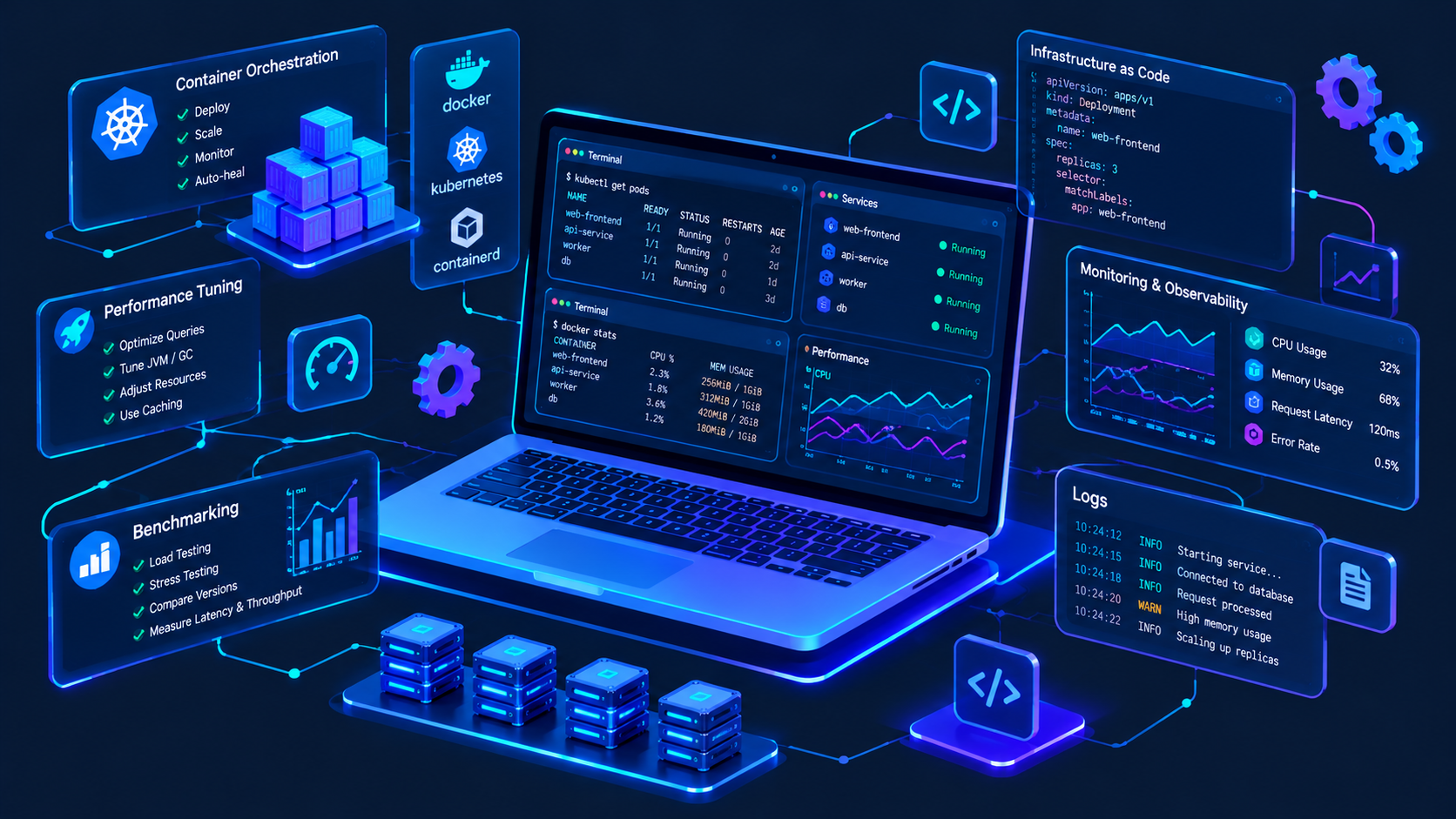
best open source data observability tools for production data pipelines is the central topic of this article, and the following content explains the key points, practical uses, and decisions around it.
In today’s data-driven landscape, production data pipelines are the backbone of decision-making, analytics, and business operations—but they’re prone to failures, discrepancies, and data quality issues that can derail workflows. That’s where the best open source data observability tools for production data pipelines come in: these tools help teams monitor, debug, and ensure the reliability of their data pipelines without the high cost of commercial solutions, making them a top choice for startups and enterprise teams alike.
Core Capabilities to Look for in Data Observability Tools
Before diving into specific tools, it’s critical to understand the non-negotiable features that make an open source tool suitable for production pipelines. Unlike ad-hoc monitoring scripts, purpose-built data observability tools address gaps like real-time anomaly detection, lineage tracking, and root-cause analysis—all essential for minimizing downtime when pipelines fail. For example, a team handling customer data pipelines needs to catch missing values or schema changes before they impact BI reports, so tools that automate these checks are invaluable.
Real-Time Pipeline Monitoring & Alerting
Production pipelines require 24/7 visibility into performance metrics like latency, throughput, and error rates. The best open source tools include pre-built alerts that trigger when thresholds are breached, such as a pipeline running 5x slower than its average or a dataset losing 10% of its records. This reduces mean time to resolution (MTTR) by notifying engineers immediately instead of waiting for a downstream report to flag issues.
Data Lineage & Impact Analysis
When a pipeline fails, teams need to know which datasets, tables, or dashboards are affected. Data lineage features map how data flows from source to destination, showing dependencies between pipelines. Open source tools with built-in lineage tracking eliminate the need for manual documentation, making it easier to prioritize fixes for critical business-critical data.
Top Open Source Data Observability Tools for Production Pipelines
There are several standout open source tools tailored for production data pipelines, each with unique strengths that cater to different team needs. Let’s break down the most widely adopted ones, focusing on their production-ready features and real-world use cases.
Great Expectations
Great Expectations is a leading open source tool for data quality and observability, widely used in production because of its declarative approach. Teams can define "expectations"—customizable rules for data, such as "the email column must be a valid format" or "order amounts cannot be negative"—that run automatically on pipeline data. It integrates seamlessly with major data platforms like Snowflake, BigQuery, and Apache Spark, making it flexible for diverse tech stacks. For production, it supports scheduled runs, integration with orchestrators like Apache Airflow, and detailed, shareable documentation of data quality issues, so teams can quickly validate that pipelines are delivering reliable, consistent data.
OpenLineage
OpenLineage is an open standard and toolset specifically built for data lineage tracking, solving the problem of disconnected pipeline metadata across disparate tools. It captures lineage events from tools like dbt, Airflow, and Spark, creating a unified view of how data moves through pipelines. For production teams, this means you can trace a problematic dataset back to its original source, identify which pipelines modified it, and assess the impact on downstream consumers like sales analytics dashboards or machine learning models. Its vendor-agnostic design ensures it works with almost any pipeline infrastructure, making it an excellent choice for teams with complex, multi-tool setups.
Evidently AI
Evidently AI is an open source observability tool focused on both data pipelines and machine learning (ML) workflows, ideal for teams that combine data engineering with ML operations (MLOps). It monitors two critical production metrics: data drift (unexpected changes in input data that can break model performance) and data quality errors, along with model accuracy. For production, it generates interactive, shareable reports and integrates with tools like MLflow, Kubernetes, and Prometheus. For example, if a fraud detection model’s input data starts drifting (e.g., a new region’s transaction patterns skew results), Evidently alerts the engineering team before the model’s accuracy drops, preventing incorrect predictions that could impact business decisions.
How to Select the Right Open Source Tool for Your Production Pipeline
Choosing the best open source data observability tool for production data pipelines depends on your team’s specific tech stack, pipeline complexity, and primary use cases. Avoid one-size-fits-all approaches by evaluating these key criteria:
- Align with your existing toolchain: Pick a tool that integrates with your current orchestrators (Airflow, Prefect), data warehouses (Snowflake, BigQuery), and BI tools (Looker, Tableau) to minimize implementation friction and maximize visibility across your ecosystem.
- Prioritize production-grade reliability: Ensure the tool supports scheduled runs, scalability for large datasets (terabytes or petabytes), and robust alerting mechanisms—critical for avoiding gaps in monitoring when pipelines handle high volumes of data daily.
- Evaluate community support and documentation: Open source tools thrive on active community contributions; a large, engaged community means faster bug fixes, more tutorials, and a wealth of real-world use cases to reference when troubleshooting issues in production.
For small teams with simple, single-tool pipelines, a lightweight option like Great Expectations may be sufficient, while enterprise teams with complex lineage needs might benefit from pairing OpenLineage with dbt. ML-focused teams should prioritize Evidently AI’s drift monitoring capabilities to keep models performing reliably in production.
In summary, investing in the best open source data observability tools for production data pipelines is a strategic move to ensure data reliability, reduce costly downtime, and maintain trust in the data that drives business decisions. By focusing on core capabilities like real-time monitoring, lineage tracking, and data quality validation, and selecting tools that align with your team’s unique stack and use cases, you can avoid the high price tag of commercial observability solutions while gaining the visibility needed to proactively manage production pipelines. Whether you choose Great Expectations for data quality, OpenLineage for lineage tracking, or Evidently AI for ML pipeline observability, these open source tools empower teams to address issues before they impact critical workflows.
All content about “best open source data observability tools for production data pipelines” is originally written by our expert editorial team. Reproduction without permission is strictly prohibited.